Climate and environment
We expect companies to
- understand the environmental and social consequences of their operations
- set net zero 2050 targets
- integrate climate and environmental considerations into corporate strategy
- integrate relevant challenges and opportunities into their risk management and business planning
- report regularly on the above
Climate change
Climate change affects corporate earnings and so the fund's long-term return, but it may also bring business opportunities.

We have been assessing companies with particular exposure to climate risk since 2010. As a financial investor, we have an interest in good and relevant corporate disclosure of climate data.
Water management
Water is rarely priced to reflect scarcity value. At the same time, a number of processes and products depend on access to clean water. Companies in many industries may also affect access to water.
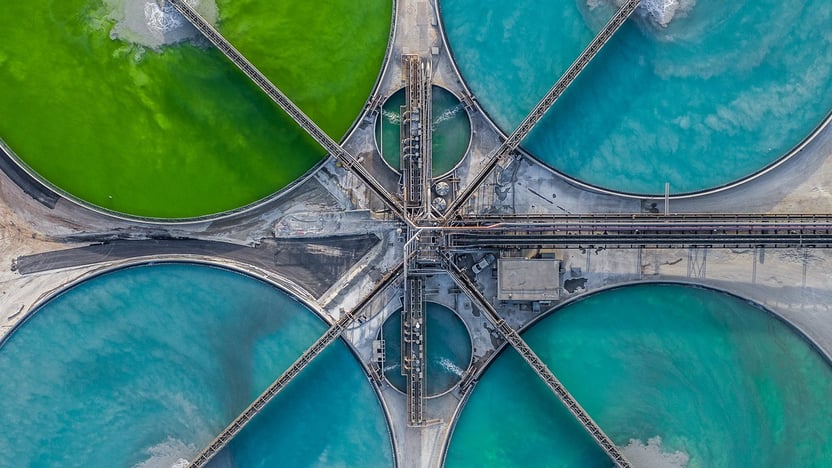
We expect companies to integrate water risk into their corporate strategy, risk management and reporting. We have been assessing companies with particular exposure to water risk since 2010. As a financial investor, we have an interest in good and relevant corporate disclosure of water data.
Ocean sustainability
The ocean is a vital part of the planet’s ecosystem and an important contributor to economic activity. Degradation of the ocean may reduce the ability of companies and industries to make money in the longer term.

We expect companies to address both the challenges and the opportunities associated with ocean sustainability. Relevant industries include not only shipping, fisheries and aquaculture, but also retail and the value chain for plastics and agricultural goods.
Biodiversity and ecosystems
Loss of biodiversity and degradation of ecosystems may reduce the ability of companies and industries to make money in the longer term.
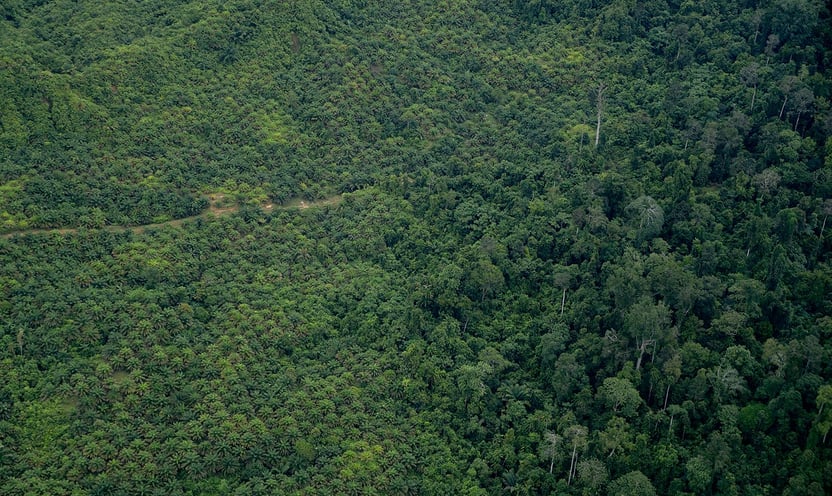
Our expectations are aimed at companies that depend on or impact biodiversity and ecosystems through their operations, whether directly or indirectly. We expect companies to be transparent about problems faced and actions taken in terms of the sustainable use of ecosystems, and to integrate relevant considerations into their corporate strategy, risk management and reporting.
Last saved: 31/05/2023